
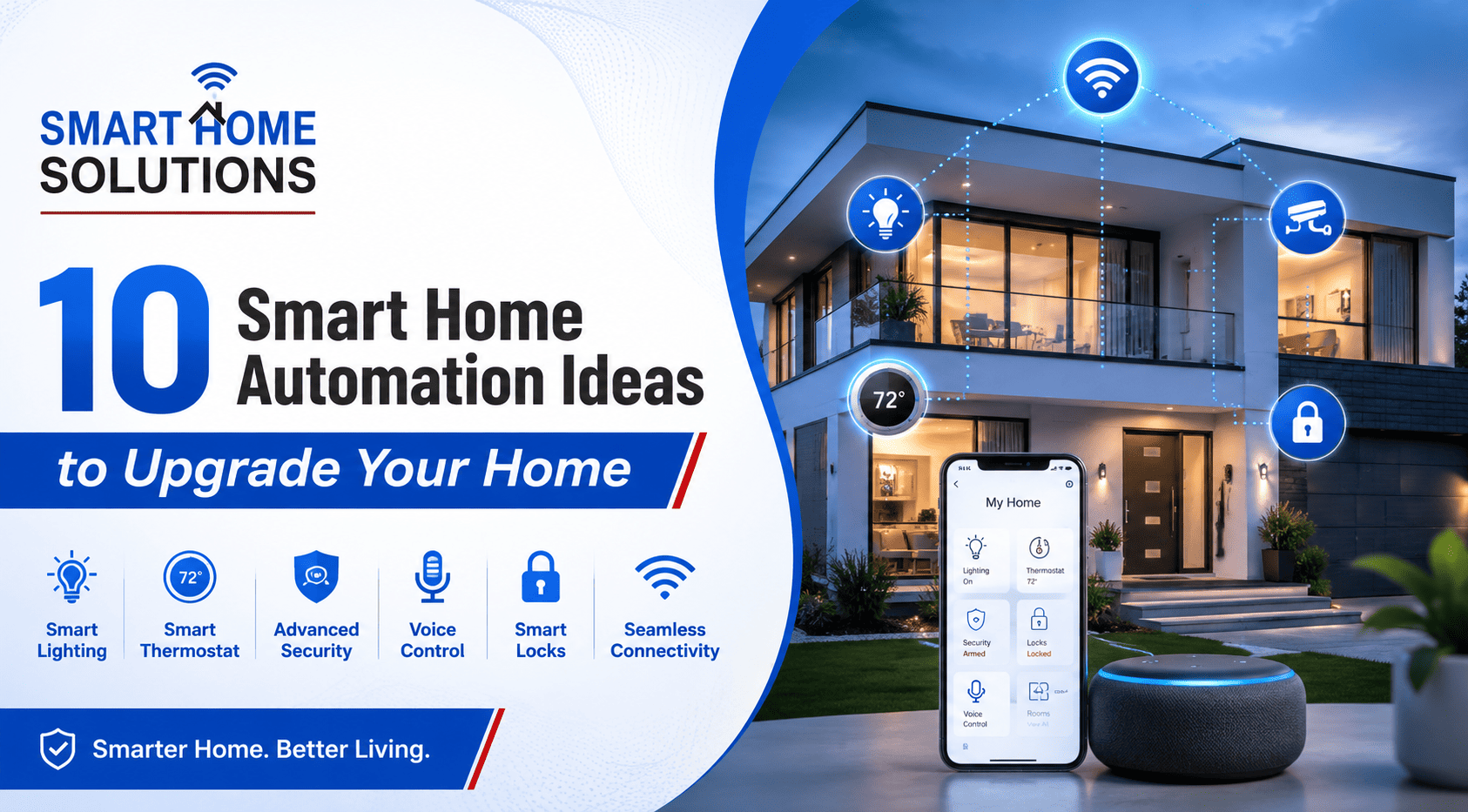
Modern homes are becoming smarter, more efficient, and more convenient with the adoption of Smart Home Automation. From controlling lights with your voice to managing security systems remotely, smart technology is transforming the way people interact with their living spaces. Homeowners today are looking for solutions that improve comfort, reduce energy consumption, and provide better control over daily activities.
With advancements in Smart Home Technology, automation is no longer limited to luxury properties. Smart devices are now accessible for apartments, villas, and modern houses of all sizes. These solutions help create connected homes where lighting, entertainment, security, appliances, and energy systems work together seamlessly. Smart Home Solution helps homeowners experience the benefits of advanced automation by integrating innovative technologies designed for modern lifestyles.
Why Smart Home Automation Is Growing Rapidly?
The demand for connected homes has increased as people seek more convenient and sustainable ways to manage their properties. Smart automation allows homeowners to control multiple devices through smartphones, voice commands, or automated schedules.
Whether you want to improve security, save electricity, or create a comfortable atmosphere, automation provides practical solutions for everyday needs. With features like remote monitoring, intelligent sensors, and customized settings, smart homes offer a more personalized living experience.
| Smart Home Feature | Key Benefits |
| Smart Lighting Systems | Saves energy and creates customized lighting environments |
| Security Automation | Provides remote monitoring and better protection |
| Smart Appliances | Improves convenience and reduces manual effort |
| Energy Management | Helps lower electricity consumption |
| Voice Control | Allows hands-free operation of connected devices |
1. Voice-Activated Assistants For Smart Homes
Voice-controlled technology has become one of the most popular smart home upgrades. Voice assistants allow homeowners to operate connected devices using simple voice commands without using switches or mobile applications.
With Voice-controlled home devices, users can adjust lighting, play music, control temperature settings, check weather updates, and manage other smart features effortlessly. This technology is especially helpful for elderly users and people who prefer hands-free convenience.
Voice automation also improves accessibility by making daily tasks easier and faster. As artificial intelligence continues to improve, voice assistants are becoming more accurate and capable of understanding personalized commands.
2. Smart Lighting Systems For Better Comfort
Lighting plays an important role in creating the right atmosphere inside a home. Modern Smart lighting systems allow homeowners to adjust brightness, colors, and schedules according to their preferences.
Smart lights can automatically turn on when someone enters a room and switch off when the space is empty. Users can also create different lighting moods for activities such as reading, working, relaxing, or entertaining guests.
Benefits Of Smart Lighting Automation
- Reduces unnecessary electricity usage
- Provides customized lighting experiences
- Allows remote control through smartphones
- Improves home security by creating occupancy patterns
Smart lighting solutions are also compatible with voice assistants, making it easier to control the entire lighting system through simple commands.
3. Energy Management For Efficient Homes
Energy efficiency is one of the biggest advantages of smart home automation. Intelligent energy management systems monitor electricity usage and help homeowners identify areas where energy can be saved.
Smart thermostats, energy monitoring devices, and automated controls adjust power consumption based on real-time requirements. For example, smart systems can reduce cooling or heating when nobody is home.
These solutions not only lower electricity bills but also support environmentally responsible living. Energy management is becoming an essential part of modern Smart Home Technology because it combines comfort with sustainability.
4. Automated Security Systems For Protection
Home security has become smarter with advanced automation features. Automated security systems use cameras, motion sensors, smart locks, and alarms to provide better protection.
Homeowners can monitor their properties from anywhere through mobile applications. Smart cameras send instant alerts when unusual activity is detected, while smart locks allow secure access without traditional keys.
Smart Security Features Include
- Remote video monitoring
- Motion detection alerts
- Smart door locks
- Automated alarm systems
- Visitor management solutions
These features provide homeowners with greater control and peace of mind, whether they are at home or away.
5. Smart Entertainment Systems For Modern Living
Entertainment systems have also evolved with smart technology. Connected televisions, automated speakers, and integrated home theatres allow users to enjoy a personalized entertainment experience.
Smart entertainment setups enable homeowners to control music, movies, and streaming services through mobile apps or voice commands. Users can create different entertainment zones throughout their homes based on their preferences.
A smart entertainment system can transform an ordinary living room into a modern entertainment space with improved convenience and connectivity.
6. Smart Appliances For Everyday Convenience
Smart appliances are changing how people manage household tasks. From refrigerators and washing machines to ovens and coffee makers, connected appliances offer improved control and efficiency.
These devices can provide notifications, automate tasks, and adjust operations based on user preferences. For example, a smart washing machine can send alerts when a cycle is complete, while a smart refrigerator can monitor food storage conditions.
Smart appliances reduce manual effort and help homeowners manage daily activities more effectively.
7. Automated Curtains And Blinds For Comfort
Natural light and privacy can be easily managed with Automated curtains and blinds. These systems allow homeowners to open or close window coverings automatically based on time, sunlight, or temperature conditions.
Automated window treatments improve indoor comfort while supporting energy efficiency. Curtains can close during hot afternoons to reduce heat entering the home and open during cooler periods to allow natural light.
Advantages Of Automated Window Solutions
- Better privacy control
- Improved temperature management
- Enhanced home aesthetics
- Reduced energy consumption
These smart solutions add both functionality and elegance to modern interiors.
8. Water Management For Sustainable Homes
Smart water management systems help homeowners monitor and control water usage efficiently. These systems use sensors and automation technology to detect leaks, manage irrigation, and reduce unnecessary water consumption.
Smart irrigation systems can adjust watering schedules based on weather conditions and soil moisture levels. Leak detection sensors can immediately alert homeowners about potential water problems.
This technology supports sustainable living by helping households conserve water while maintaining convenience.
9. Personalized Home Scenes And Automation
One of the most exciting features of smart homes is the ability to create personalized scenes. Homeowners can combine multiple devices and automate them according to specific activities or moods.
For example, a “Movie Night” scene can dim the lights, close curtains, and activate the entertainment system with one command. A “Good Morning” scene can open blinds, adjust lighting, and start connected appliances automatically.
Examples Of Smart Home Scenes
| Scene Type | Automated Actions |
| Morning Routine | Opens curtains and adjusts lighting |
| Relax Mode | Creates comfortable lighting and music settings |
| Away Mode | Activates security features and saves energy |
| Entertainment Mode | Controls lights, sound, and screens |
Personalized automation makes homes more responsive and tailored to individual lifestyles.
10. Home Health Monitoring For Safer Living
Smart health monitoring technology is becoming an important part of future homes. These systems use connected devices and sensors to support healthier and safer living environments.
Air quality monitors, smart sensors, and wellness devices help track indoor conditions and provide useful insights. They can monitor factors such as humidity levels, air pollution, and environmental comfort.
For families with elderly members, health monitoring solutions can provide additional safety through alerts and remote monitoring features.
Supporting The Next Generation Of Smart Home Innovation
The future of smart homes will focus on greater automation, artificial intelligence, and improved connectivity. Emerging technologies will make homes more predictive by learning user habits and automatically adjusting settings.
Future smart homes will not just respond to commands but will anticipate homeowner needs. Advanced sensors, AI-powered systems, and connected devices will create living spaces that are safer, more energy-efficient, and highly personalized.
As smart technology continues to evolve, investing in automation can help homeowners enjoy better comfort, convenience, and long-term value.
Upgrade Your Home With Smart Automation Solutions
Smart Home Automation is changing the way people experience comfort, security, and efficiency in their homes. From smart lighting and voice control to automated security and energy management, these technologies create a connected lifestyle designed for the future.
Choose advanced automation solutions to make your home smarter, safer, and more convenient. Contact Smart Home Solution today to explore innovative smart home upgrades tailored to your needs.
Frequently Asked Questions About Smart Home Automation
1. What is Smart Home Automation?
Smart Home Automation refers to the use of connected devices and technology to control home systems such as lighting, security, appliances, and entertainment automatically or remotely.
2. What are the benefits of installing smart home technology?
Smart home technology improves convenience, enhances security, reduces energy consumption, and allows homeowners to control multiple devices from smartphones or voice assistants.
3. Can smart home devices save electricity?
Yes, smart devices such as automated lighting, smart thermostats, and energy monitoring systems help reduce unnecessary power usage and improve energy efficiency.
4. Are smart lighting systems difficult to install?
Most smart lighting systems are designed for easy installation and can be integrated with existing electrical setups. Professional installation can help ensure better performance and compatibility.
5. Can I customize my smart home automation system?
Yes, smart home systems can be customized according to lifestyle needs, including personalized lighting scenes, security settings, entertainment controls, and appliance automation.
6. What Is The Home Automation Cost In India?
The Home Automation Cost in India depends on the home size, devices selected, and level of customization. Basic setups are more affordable, while advanced systems with lighting, security, and entertainment features may cost more.